
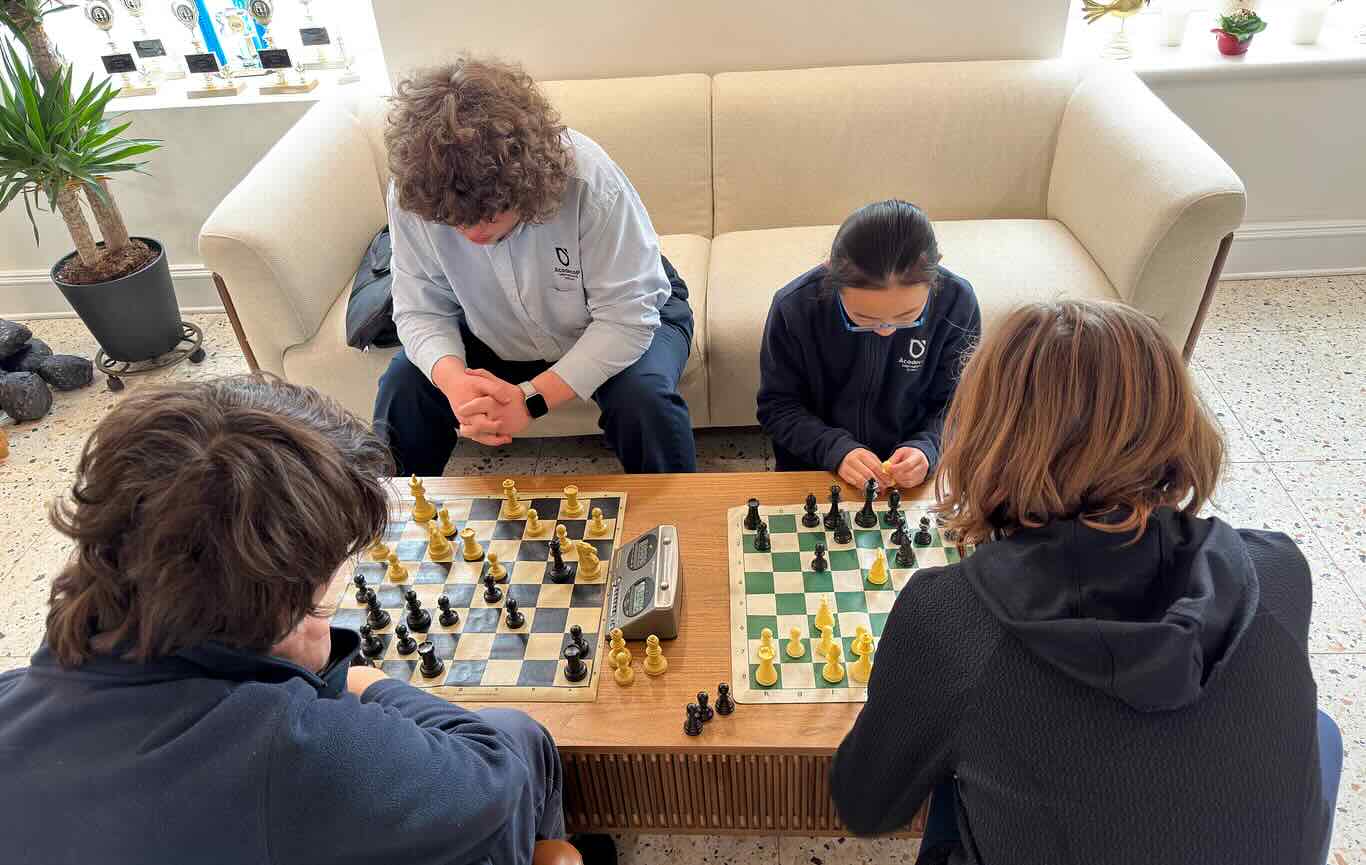
Why Small Schools Support Strong Friendships in Canada
One of the most common questions Canadian families ask about small schools is whether children will have enough opportunities to form strong friendships.
Research confirms that children’s social development does not depend on large class sizes or numbers of peers. Instead, friendships grow through repeated interaction, shared experiences, emotional safety, and a sense of belonging, conditions often stronger in small, multi-age learning environments.
Studies consistently show that most children form one to three close friendships, regardless of school size. What matters most for wellbeing is the quality and stability of relationships, not the total number of classmates.
How Multi-Age Learning Environments Foster Social Connections
Small schools naturally support deeper social connections because children spend more time interacting with the same peers. Research shows that proximity and repeated contact are among the strongest predictors of becoming friends, more influential than age grouping or background similarities.
Canadian studies, including findings from the Manitoba Education Ministry and Saskatchewan School Boards Association, confirm that students in smaller classrooms with mixed age grouping report stronger peer connections, greater engagement, and higher overall well being compared to larger, single-grade classrooms.
Social Benefits of Mixed-Age Learning in Canada
Research comparing classrooms with a multi-age structure and same-age structure consistently shows:
- Higher levels of cooperation and prosocial behavior
- Fewer socially isolated students
- Opportunities for younger children to learn social skills from older children
- Leadership opportunities for older students helps develop empathy, and responsibility
Canadian research from Ontario and Memorial University of Newfoundland supports these findings in combined classes. In multi-age grouping, older students mentor younger peers, while younger students gain confidence, social competence, and problem-solving skills.
As a result, children develop independence, empathy, and adaptability; skills needed for both academic success and for the social realities of life beyond the classroom. Friendships form across ages, mirroring family and community dynamics.
Small Canadian Classrooms Promote Belonging and Emotional Safety
Research shows that when students feel known and supported by teachers and peers, they experience greater trust, connection, and emotional safety, essential for wellbeing and engagement. In smaller Canadian classrooms, students are less likely to be overlooked and more likely to receive guidance during social challenges.
Studies also note that personalized instruction, flexible grouping, and student-centered learning in multi-age classrooms further strengthen children’s sense of belonging, emotional growth, and school engagement.
Canadian Evidence: Academic and Social Benefits of Multi-Age Classrooms
Recent Canadian research highlights the benefits of small multi-age classrooms:
- Academic Achievement – Students in multi-age classrooms perform as well as or better than single-grade peers, with gains in reading, writing, and language skills.
- Social-Emotional Growth – Students develop higher self-esteem, empathy, positive attitudes toward school, and strong social skills.
- Reduced Behavioural Issues – Smaller multi-age classrooms are linked to fewer disciplinary problems and improved classroom climate (Saskatchewan School Boards Association; University of Calgary; Alberta Journal of Educational Research).
- Individualized Instruction – Teachers use flexible groupings and peer tutoring to meet individual developmental levels rather than age alone (Kaban Montessori School).
- Leadership and Mentorship – Older students mentor younger peers, gaining leadership experience and responsibility (Westmont Montessori School; Manitoba Education).
Small Canadian Schools Support Strong, Lifelong Friendships
In short, small, multi-age schools are not a limitation for friendships or social development. They provide a highly supportive social model, prioritizing meaningful relationships over sheer numbers. Canadian studies confirm that children in these classrooms develop essential social, emotional, and academic skills, all while forming strong friendships.
Children don’t need large peer groups to thrive, they need consistent interaction, emotional safety, and a sense of belonging. Small, multi-age classrooms in Canada are intentionally designed to deliver all three.
A School Community Built Around Connection
At Académie de la Capitale, small class sizes and multi-age learning environments are central to how we design school life. As an Ottawa micro-school, we structure our school s so students are known as individuals and supported as members of a close learning community.
Our small classes allow us to build consistent relationships over time. Students learn alongside familiar peers, share experiences across years, and develop trust naturally,key foundations for strong friendships. In our multi-age environments, children connect across age groups, learning from one another in ways that reflect real families and communities. Younger students gain confidence and social awareness, while older students develop leadership, empathy, and responsibility through mentorship.
Just as important, our approach to education prioritizes both belonging and differentiated learning. Because every teacher in the school works closely with small groups of students, they are able to support communication, conflict resolution, and collaboration as part of daily learning.
For families seeking a school environment where children are truly known, supported, and challenged, we believe a small, multi-age setting makes a meaningful difference. The best way to understand the impact of a close learning community is to experience it firsthand. We invite you to learn more. Contact us to inquire about the admission process or to make an appointment for a campus tour.
