
AcadeCoders Blog 2016: MinecraftEDU (July 25th-29th, 2016)
MinecraftEDU Welcome to the fifth week of the AcadeCoders session: MinecraftEDU. This week’s session of MinecraftEDU will cover large amounts of creative processes within MinecraftEDU and understanding how world libraries work. The AcadeCoders will be exposed to a new world each day and will attempt to replicate it in their

AcadeCoders Blog 2016: HTML/CSS (July 18th-22nd, 2016)
HTML/CSS Welcome to the fourth week of the AcadeCoders session: HTML/CSS. This blog post will cover each daily activity of each camp day with various pictures and descriptions. HTML/CSS are markup languages used to code and design responsive and beautiful websites. Day 1: Monday, July 18th, 2016 We began the

AcadeCoders Blog 2016: JavaScript (July 11th-15th, 2016)
JavaScript Welcome to the third week of the AcadeCoders session: JavaScript. This blog post will cover each daily activity of each camp day with various pictures and descriptions. JavaScript is an object-oriented computer programming language commonly used to create interactive effects within web browsers. Day 1: Monday, July 11th, 2016

AcadeCoders Blog 2016: Python Power (July 4th-8th, 2016)
Python Power Welcome to the second week of the AcadeCoders session: Python Power. This blog post will cover each daily activity of each camp day with various pictures and descriptions. Python is an object-oriented programming language that is highly regarded for its efficiency and speed. It is well-known companies such
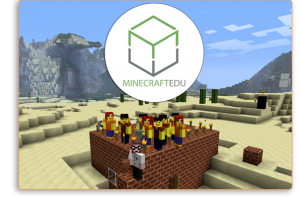
AcadeCoders Blog 2016: MinecraftEdu Turtle Code (June 27th-30th, 2016)
MinecraftEDU: Turtle Code Welcome to the first week of the AcadeCoders session: Minecraft Turtle Code. This blog post will cover each daily activity of each camp day with various pictures and descriptions Day 1: Monday, June 27th, 2016 We began the day with morning ice-breakers for the campers and instructors
AcadeCoders 2016 Blog
AcadeCoders Blog 2016 This blog is dedicated to the daily coding challenges and camp activities for the AcadeCoders community. Parents can view the blog to see their child’s coding progress and daily activity while students can reflect on their learning experience with their fellow AcadeCoders. Click each theme below for

Imagery
Edgar Allen Poe uses his powerful words to create strong imagery in his stories and poems. Students were asked to illustrate what they imagined the House of Usher to look like based on Poe’s writing. Such hauntingly beautiful pieces of art. Source:: PSSP & OSSD

What is Fiction?
Students were busy reading over the summer months! We compiled a list of novels they have read over the last year and sorted them by genre. After sorting the titles, we created definitions for each genre and voted on our favourite. Our current unit is based on realistic fiction. Students

Student Vote Ottawa Municipal Election Activities have begun at AcadeCap
The Civics students are taking the lead to organize a series of October activities, all of which are focused on the Ottawa Municipal Election. The School will be participating in Student Vote, a mock municipal election, where students become informed voters and submit a vote to ‘elect’ one of the

Story Elements
We are kicking of the start of the year by exploring the elements of a story. Students brainstormed all the key features included in a story. They then compared the different stories they had read over the summer, being sure to use the vocabulary they had listed. B Source:: Mme

Building 21st Century Skills
The Grade ⅞ students are excited about their new course which focuses on building 21st century skills. This activity focused on non-verbal communication and teamwork. For this activity, a leader was given the challenge of leading a team to build a bridge using only non-verbal instructions. The students reflected on

Macromolecules: Molecules of Life
To begin an investigation of the key macromolecules important to cellular function, the biology students were challenged to build a 3D model of the linear form of glucose and to demonstrate how the functional groups interact to create the ring form. Source:: PSSP & OSSD