
Blast Off into Space & Tech: Why AcadeCamp & AcadeCoders are the Ultimate Summer Destinations This Year
As the school year winds down, parents everywhere face the same annual puzzle: how do you find a summer camp that keeps your child’s brain active without burning them out? You want them to learn, but you also want them to run around outside, make friends, and just enjoy being

Friendships in Small Canadian Schools: The Benefits of Multi-Age Classrooms
Why Small Schools Support Strong Friendships in Canada One of the most common questions Canadian families ask about small schools is whether children will have enough opportunities to form strong friendships. Research confirms that children’s social development does not depend on large class sizes or numbers of peers. Instead, friendships

Why Learning to Learn Builds the Strongest Students
Many children are curious natural problem-solvers who ask thoughtful questions and enjoy learning. But simply meeting academic expectations does not always mean students are developing the thinking habits that sustain learning over time. Planning, reflecting, making connections, and adapting when challenges become more complex are part of learning how to

Advantages of Learning Multiple Languages at AcadeCap: A Global Benefit for Every Student
At École internationale Acadecap International School, there are many lifelong advantages of learning multiple languages. For over 20 years, we’ve helped students, including those with dyslexia and other learning differences, develop strong reading, writing, and communication skills in French, English, and Spanish. As the only Canadian school in the LabelFrancÉducation

Teaching Excellence at AcadeCap: A Blend of Expertise, International Standards, and Lifelong Learning
At AcadeCap International School, we believe that exceptional academics and education begins with exceptional educators. While Ontario private schools are not required to employ teachers certified by the Ontario College of Teachers (OCT) or individuals with teaching degrees, we take a different approach, one that exceeds the minimum requirements and

AI in Education – Benefits and Challenges for Meaningful Learning Experiences
The future of education and student engagement must blend innovation with a deeply human approach. AI is transforming classrooms around the world, offering new ways to support student learning and expand the possibilities of personalized education. According to recent research, 80% of students aged 13 to 18 already use AI
Last week of school
This past week was the last week of school! We wrapped up the unit about Reproduction, and did some fun, end of year activities. One of the last activities that the students completed had to do with oviparous, viviparous and ovoviviparous animals. The students compared the three different types of
SMILE Literacy Program – Writing Samples
Our SMILE students receive extra support to hone their reading and writing skills. Some students finish the foundations program but still require extra writing practice. For example, one student, who needed extra practice and support with their writing style, worked during 1:1 sessions with the teacher to read source passages
The AcadeCap TED-Ed Student Talks Program
Our Grade 6, 8, and 10 students were tasked with developing a Ted style talk as part of the TED-Ed Student Talks Program. Despite some setbacks this semester, we persevered and even switched to a virtual meeting format during the stay-at-home period. By the end of the semester, students had
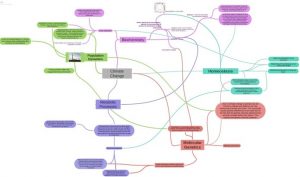
Our biology students are passionate about climate change!
The Grade 12 biology class took a deep dive into a real-world application of their unit concepts. This concept map was the result of one student’s literature review of recent scientific research being done to understand the inter-relationships between climate change and biological systems, processes, and populations. Source:: PSSP &
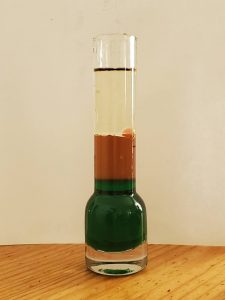
Oil floats on water
We Know that oil floats on water, but where do other liquids fit in? Students find out when they conduct this colorful density experiment that has them layer different substances, making a rainbow.#science #pssp #ibworldschool Source:: PSSP & OSSD
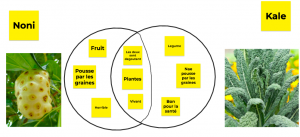
Plant Reproduction
The last unit of the year was focusing on plant, insect, and animal reproduction. To begin the unit, the Grade 6s studied plant reproduction. As one of the starting activities, they chose one plant that reproduces sexually, and one plant that reproduces asexually. They then found the differences and similarities