

AcadeCoders Blog 2016: MinecraftEDU (July 25th-29th, 2016)
MinecraftEDU Welcome to the fifth week of the AcadeCoders session: MinecraftEDU. This week’s session of MinecraftEDU will cover large amounts of creative processes within MinecraftEDU and understanding how world libraries work. The AcadeCoders will be exposed to a new world each day and will attempt to replicate it in their

AcadeCoders Blog 2016: HTML/CSS (July 18th-22nd, 2016)
HTML/CSS Welcome to the fourth week of the AcadeCoders session: HTML/CSS. This blog post will cover each daily activity of each camp day with various pictures and descriptions. HTML/CSS are markup languages used to code and design responsive and beautiful websites. Day 1: Monday, July 18th, 2016 We began the

AcadeCoders Blog 2016: JavaScript (July 11th-15th, 2016)
JavaScript Welcome to the third week of the AcadeCoders session: JavaScript. This blog post will cover each daily activity of each camp day with various pictures and descriptions. JavaScript is an object-oriented computer programming language commonly used to create interactive effects within web browsers. Day 1: Monday, July 11th, 2016

AcadeCoders Blog 2016: Python Power (July 4th-8th, 2016)
Python Power Welcome to the second week of the AcadeCoders session: Python Power. This blog post will cover each daily activity of each camp day with various pictures and descriptions. Python is an object-oriented programming language that is highly regarded for its efficiency and speed. It is well-known companies such
AcadeCoders Blog 2016: MinecraftEdu Turtle Code (June 27th-30th, 2016)
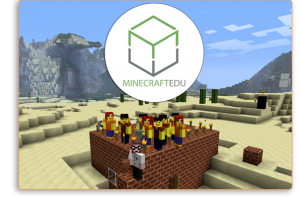
MinecraftEDU: Turtle Code Welcome to the first week of the AcadeCoders session: Minecraft Turtle Code. This blog post will cover each daily activity of each camp day with various pictures and descriptions Day 1: Monday, June 27th, 2016 We began the day with morning ice-breakers for the campers and instructors
AcadeCoders 2016 Blog
AcadeCoders Blog 2016 This blog is dedicated to the daily coding challenges and camp activities for the AcadeCoders community. Parents can view the blog to see their child’s coding progress and daily activity while students can reflect on their learning experience with their fellow AcadeCoders. Click each theme below for
Last week of school
This past week was the last week of school! We wrapped up the unit about Reproduction, and did some fun, end of year activities. One of the last activities that the students completed had to do with oviparous, viviparous and ovoviviparous animals. The students compared the three different types of
SMILE Literacy Program – Writing Samples
Our SMILE students receive extra support to hone their reading and writing skills. Some students finish the foundations program but still require extra writing practice. For example, one student, who needed extra practice and support with their writing style, worked during 1:1 sessions with the teacher to read source passages
The AcadeCap TED-Ed Student Talks Program
Our Grade 6, 8, and 10 students were tasked with developing a Ted style talk as part of the TED-Ed Student Talks Program. Despite some setbacks this semester, we persevered and even switched to a virtual meeting format during the stay-at-home period. By the end of the semester, students had
Our biology students are passionate about climate change!
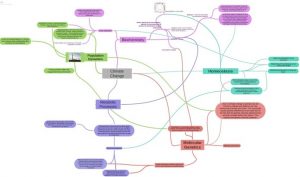
The Grade 12 biology class took a deep dive into a real-world application of their unit concepts. This concept map was the result of one student’s literature review of recent scientific research being done to understand the inter-relationships between climate change and biological systems, processes, and populations. Source:: PSSP &
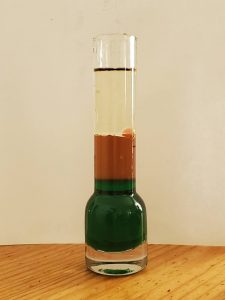
Oil floats on water
We Know that oil floats on water, but where do other liquids fit in? Students find out when they conduct this colorful density experiment that has them layer different substances, making a rainbow.#science #pssp #ibworldschool Source:: PSSP & OSSD
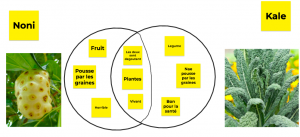
Plant Reproduction
The last unit of the year was focusing on plant, insect, and animal reproduction. To begin the unit, the Grade 6s studied plant reproduction. As one of the starting activities, they chose one plant that reproduces sexually, and one plant that reproduces asexually. They then found the differences and similarities